Jun 2016
Brexit, TechxiT or Face up to it, IT?
Written by Paul Maher
In short: Written just after the 2016 EU referendum, this piece argued UK tech should look for the opportunities in Brexit rather than dwell on the negatives.
- The weaker pound could make UK firms more affordable and investable.
- Hiring non-EU engineers may become easier.
- The article asks whether new rules could drive innovation.
Possible upsides
Thinking our way out
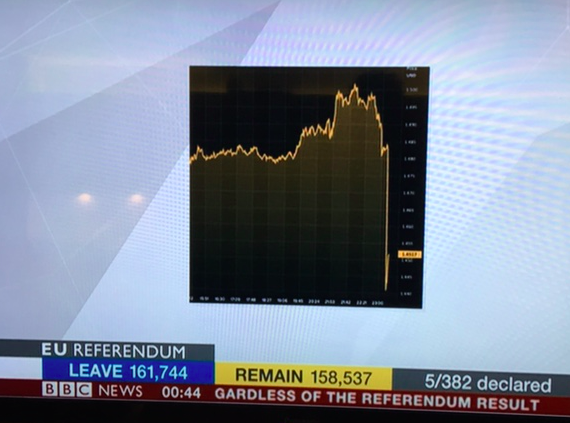
The decision by UK voters was unseen, bold and some argue innovative. The effects will take a long time to unwind and will no doubt be mixed. On one hand the pound is down, on the other tech firms should more easily recruit non-EU engineering talent. Eventually.
For now, politicians, regulators, employers and employees are absorbing the news. So far in the tech media, the negatives are winning the war with whole lists of why this democratic decision is a downer and will cost the UK economy billions. This is not helpful.
If we look hard at some of the more obvious consequences in terms of British services and goods being more affordable, thanks to the Pound’s wobbles, of the UK’s housing prices stabilising, or even reducing and the ability for UK tech firms to offer more roles to non-EU engineers, this is a case of glass half full.
Over time, the UK’s great leap may have some entirely foreseeable consequences such as currency volatility and even inflation. It may well have some very helpful unforeseeable consequences. For instance:
- Could the combination of lower exchange rates and the Tech Winter, make some of the tasty FinTech pioneers of Britain more investable?
- Will the need to work to EU data privacy laws and harmonise them with other jurisdictions drive innovations which a cosy ‘inside EU’ mindset would not?
- Could the need to seek export markets, outside our near-neighbours in the EU, force UK jobseekers to learn more foreign languages and take up coding?
- Would the need, as outsiders, to comply with stricter EU legislation build up our professional services or strengthen the UK Government’s woeful record on negotiations and trade deals?
- Can the very controversial, some would say illusory ‘dividend’ from the non-payment of EU ‘dues’ be put to work, two years from now, on UK-focused tech initiatives to bring our 5G networks up to the standards of those in Asia?
We made a choice and we have a choice. We can spend the next two years in a woulda, coulda, shoulda circle of self-pity, or think our way out. The enterprise IT industry, like the UK’s membership of the EU, is around 40 years old, who knows what we could achieve in the next 40 years.
Frequently asked questions
How did the article see Brexit’s impact on UK tech?
As mixed, arguing the industry should focus on possible upsides rather than only the negatives dominating tech media at the time.
What possible upsides did it suggest?
More investable FinTechs thanks to a weaker pound, easier hiring of non-EU engineers, and innovation driven by new data and trade rules.
When was this written?
In June 2016, immediately after the UK’s EU referendum.