

Jun 2026
Energy crisis winners and losers
Written by Daisy Pledge
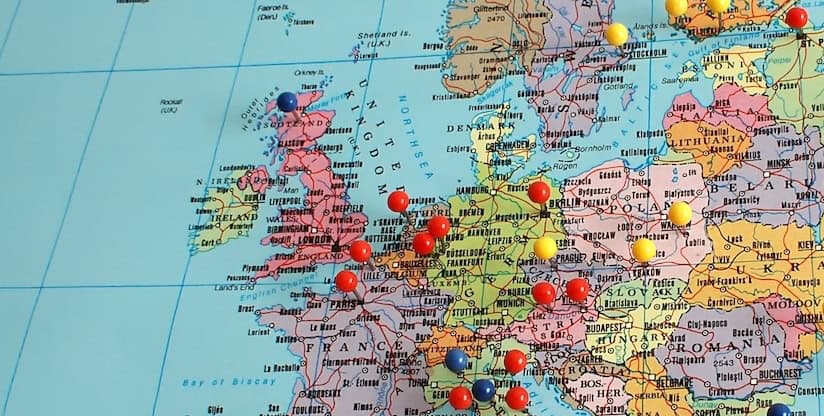
When is a skirmish a crisis? Months after the Strait of Hormuz closed, countries around the world are still scrambling to diversify supply chains and find enough oil and Liquified Natural Gas (LNG) to keep the lights on, crops fertilised and food transported.
This scramble delivers major potential PR wins around the world for sustainable energy providers. It underlines the very real demands countries around the world may always have for oil and LNG. This public debate is what PR excels at.
A world focussed on moving away from fossil fuels
Britain’s grid came close to temporarily operating without fossil fuels for the first time in April 2026. A report by Imperial College London for Drax showed electricity generated by fossil fuels fell below 1 GW during specific periods.
Britain isn’t alone in attempting the clean transition, and certainly not ahead. Iceland and Norway operate grids with 98% to 100% renewable electricity shares, and Germany added 20.5 GW of renewable capacity in 2025.
This isn’t just a feel-good story, there is nuance required. So while looking at alternative energy sources like nuclear and renewables is essential for countries to strengthen their energy supply chains in times of global uncertainty, there remains a need to maintain baseload energy requirements. Nuance is also where PR can help out.
AI’s dirty secret – the energy sucker
The acceleration of clean energy deployments, while exciting, only gets you so far. AI’s demand on data centres and power requirements is so vast, no Western nation can currently meet it. In fact, the only country generating enough energy to power AI is China. And the country that holds the monopoly on manufacturing for renewable energy? Well that’s China too.
China surpassed a 10.4 trillion kWh milestone in power consumption in 2025, with 170 billion kWh consumed by the country’s computing centers. That total is more than double the volume of the United States, to put it into context.
But China isn’t worried about how AI will impact its energy consumption – its data center capacity will reach 40 GW by the end of 2026, supported by 42 intelligent computing clusters built at a 10,000-card scale. In case that’s a foreign language to you, a 10,000-card cluster network contains more than 10,000 specialised AI processors to function as a single supercomputer. It basically provides the massive computing capacity required to train large language models.
An opportunity to compete with China
Compared to China’s scale, Western grids are falling behind. However, this challenge offers an opportunity to shift the battlefield from raw volume to technological efficiency.
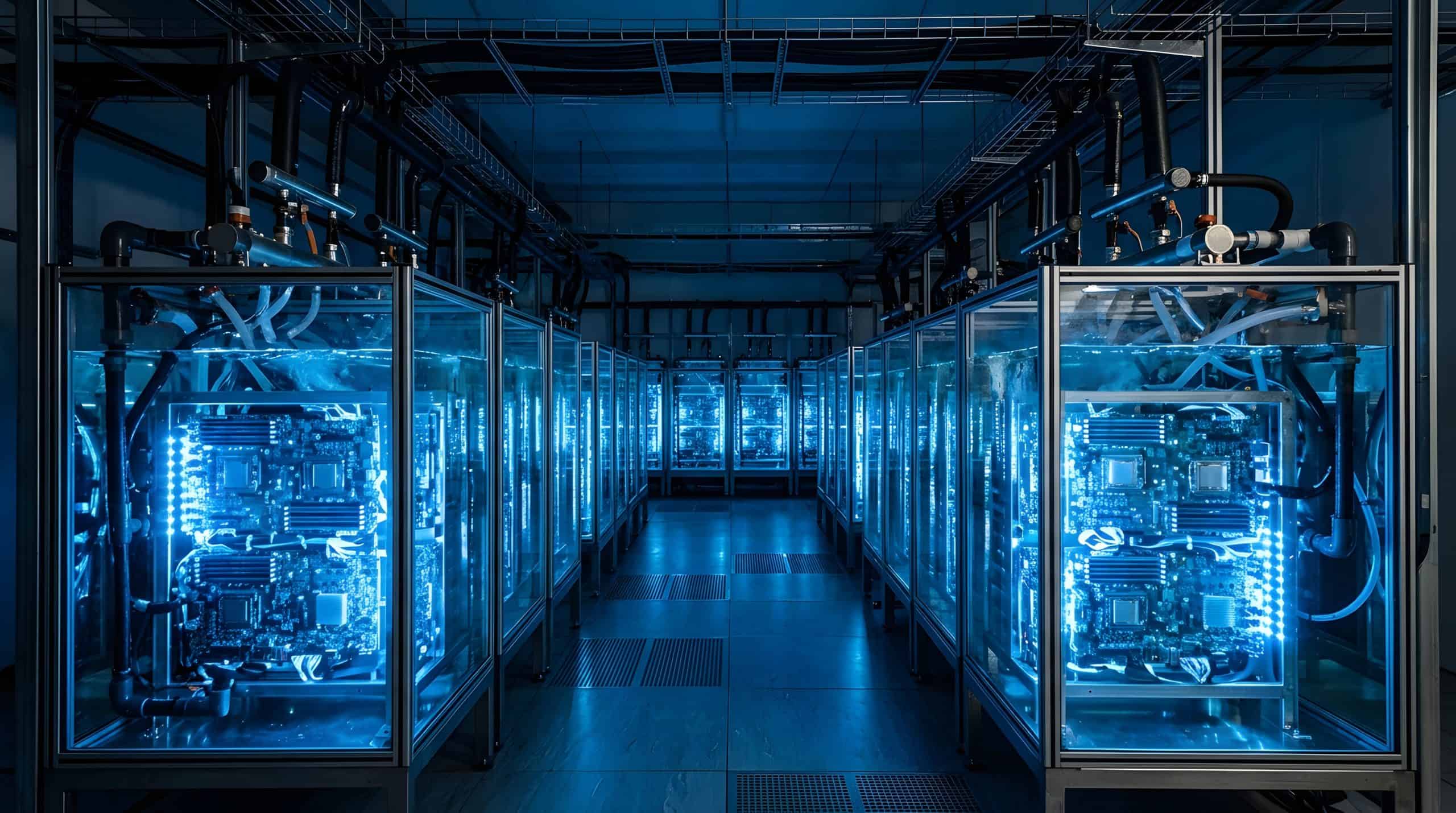
To fight back, Western tech companies are bypassing grid bottlenecks through two methods. First, operators are turning to behind-the-meter (BTM) generation, building dedicated energy assets directly adjacent to facilities. According to the International Energy Agency (IEA), the conditional offtake pipeline between data center operators and small modular nuclear reactors (SMRs) has climbed to 45 GW. Second, developers are using liquid cooling and automated grid software to drop power consumption per AI task.
The closure of the Strait of Hormuz has accelerated a shift from resource dependency to engineering capability. Western nations cannot match China’s raw footprints, but they might just be able to out-engineer them with localised, efficient systems. They need to if they want to guarantee resilient energy supply chains. Let the PR battles continue.