

Mar 2026
What would a UK social media ban mean for PR?
Written by Positive Team
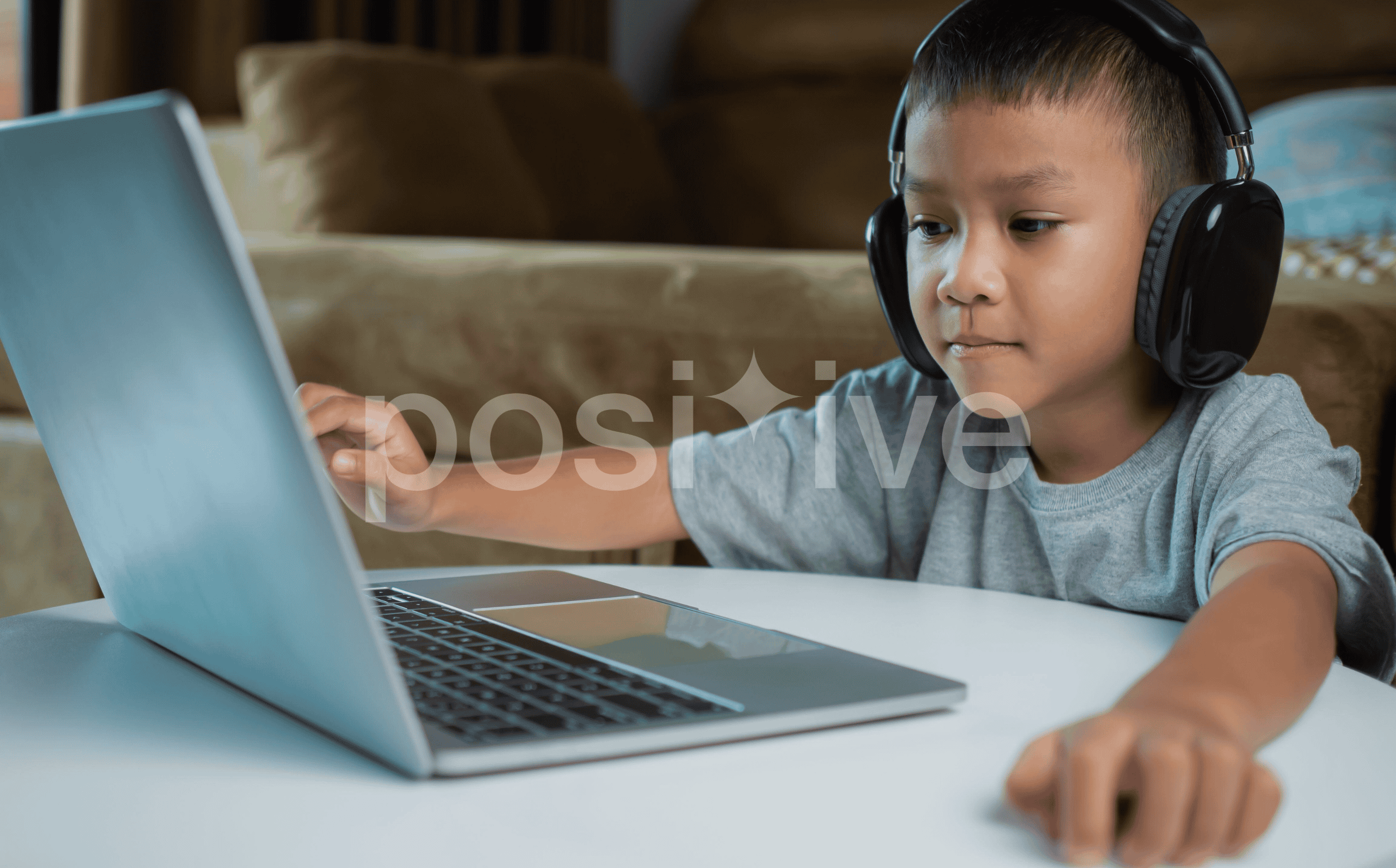
The UK Government’s public consultation on a social media ban for under 16s could result in big changes impacting tech giants and PR professionals alike. The proposals include:
- A social media ban for children under 16
- Night time curfews
- Stronger safety rules holding social media companies accountable
Why now?
The UK is reflecting on its policies after Australia’s world-first social media ban, which aimed to reduce social media’s negative impact on young people’s health and wellbeing.
It is too early to say if the Aussie social media ban is actually “working”, but studies highlight just how much of an impact social media has on children’s mental health. The UK’s largest children’s charity Barnardo’s found excessive use of social media can increase stress and anxiety, lower self-esteem, and may cause depression and behavioural disorders.
The UK ban would lift the weight off many parents’ shoulders, who struggle to effectively put in their own bans at home, piling responsibility on the Government and app providers instead. Parents who fear social media’s impact and question the strength of existing safeguards can now shrug and say to their kids “Too bad – it’s the law!”
How the UK approach will differ
It’s a slightly different approach to Australia, where the law was passed first and a consultation on implementation followed. The UK’s cautious approach includes consulting first, and then decisions will be made later on whether to legislate or not. The UK Government claims it is gauging opinion on an outright ban as they want the public’s views on less “dramatic” interventions. These could include:
- Platforms switching off infinite scrolling and autoplay
- Whether children should be able to use AI chatbots without restriction
- How else to strengthen Age Verification
Does the UK public support a ban?
A YouGov survey revealed that 39% strongly support a social media ban, and 35% somewhat support – a total of three quarters of those surveyed. However, critics say this ban will be difficult to enforce and the NSPCC said a full ban would create “a false sense of safety” by mitigating the risk of other online spaces, such as online gaming chat rooms.
There are also concerns over how a ban could limit children’s tech literacy, especially in a world where more and more jobs are linked to social media and the use of technology.
Delivering compliant comms
Should a social media ban come into place, here are three quick approaches PR professionals should consider:
- Re-evaluate your channel strategy
Reconsider if youth-focused channels like Instagram and Snap are appropriate for ‘brand building’. Will investing in these platforms cut through to ICPs who will buy your service or product or is it merely brand awareness with no revenue impact?
- Use curfews to your advantage
If the government goes down the route of a curfew instead of a full ban, consider the advantages of scheduling comms to inside or outside of curfews to maximise your buyer interactions.
- Re-evaluate media targets
Publications who rely on social media will see their audiences shrink, and with it their reach and relevance, leading to a drop in a publication’s Unique Monthly Views (UMV). Shifting to a more targeted publication with a niche – and pre-qualified audience – could deliver more.
Ultimately, the UK is going to have to wait to see the impact of new regulations surrounding a social media ban for under 16’s. Meanwhile parents, children, Big Tech employees and PR professionals have the chance to have their say, notably via a petition that has already amassed over 62,000 signatures on the Gov website.